



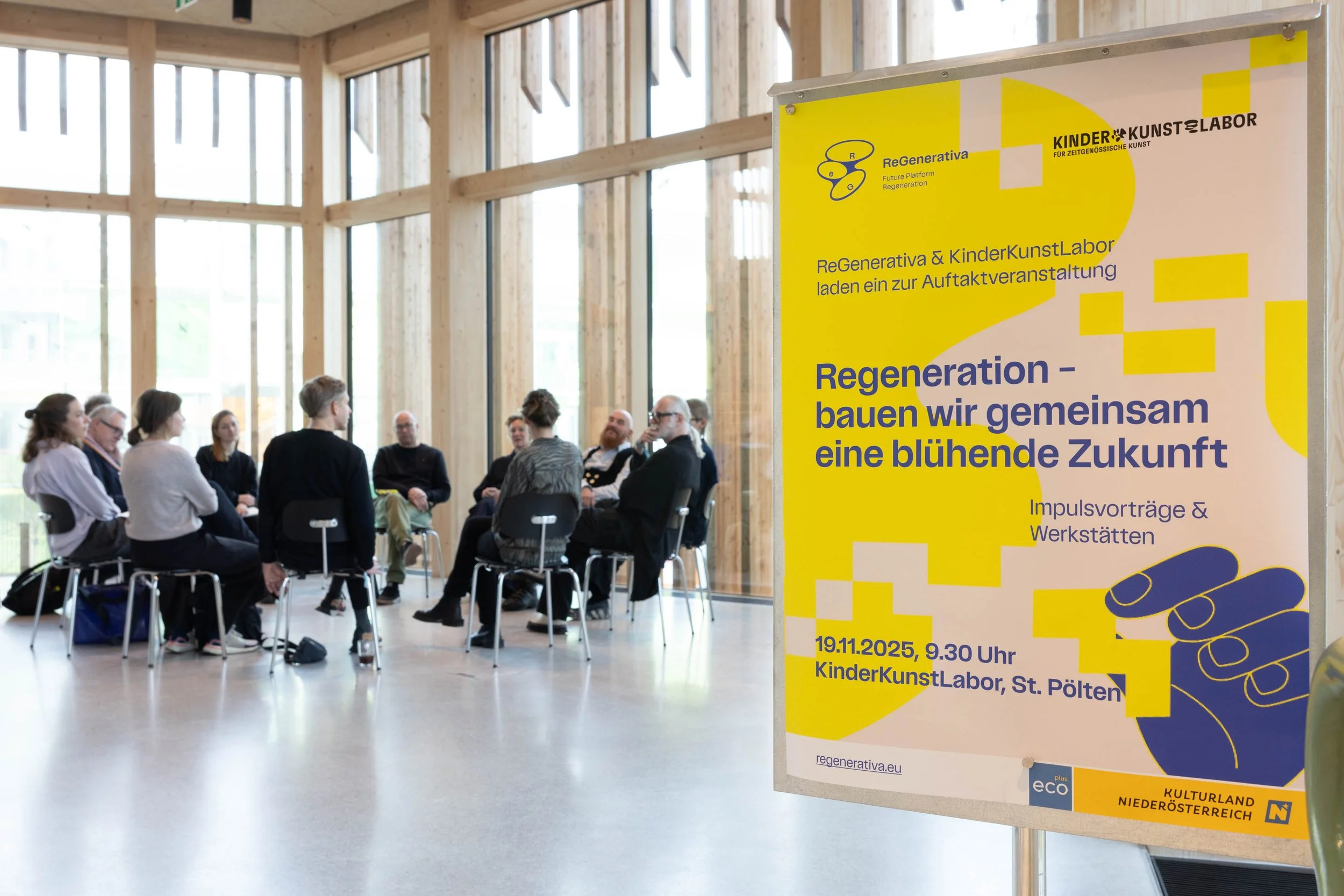
Recap: Launch event on November 19, 2025, in cooperation with the KinderKunstLabor St. Pölten

Photo: © eSeL.at - Lorenz Seidler
EMPATHY AND DREAMING TOGETHER
For ReGenerativa as a cultural future platform, connecting art with children and young people is a core task. The KinderKunstLabor in St. Pölten is the ideal partner for this, and its building, designed by Schenker Salvi Weber Architects, which won the prestigious Bauherr:innenpreis award in 2024, is the ideal location. On November 19, 2025, ReGenerativa kicked off its collaboration with this extraordinary new exhibition space for contemporary art, which takes an interdisciplinary approach, for and above all with a young audience.
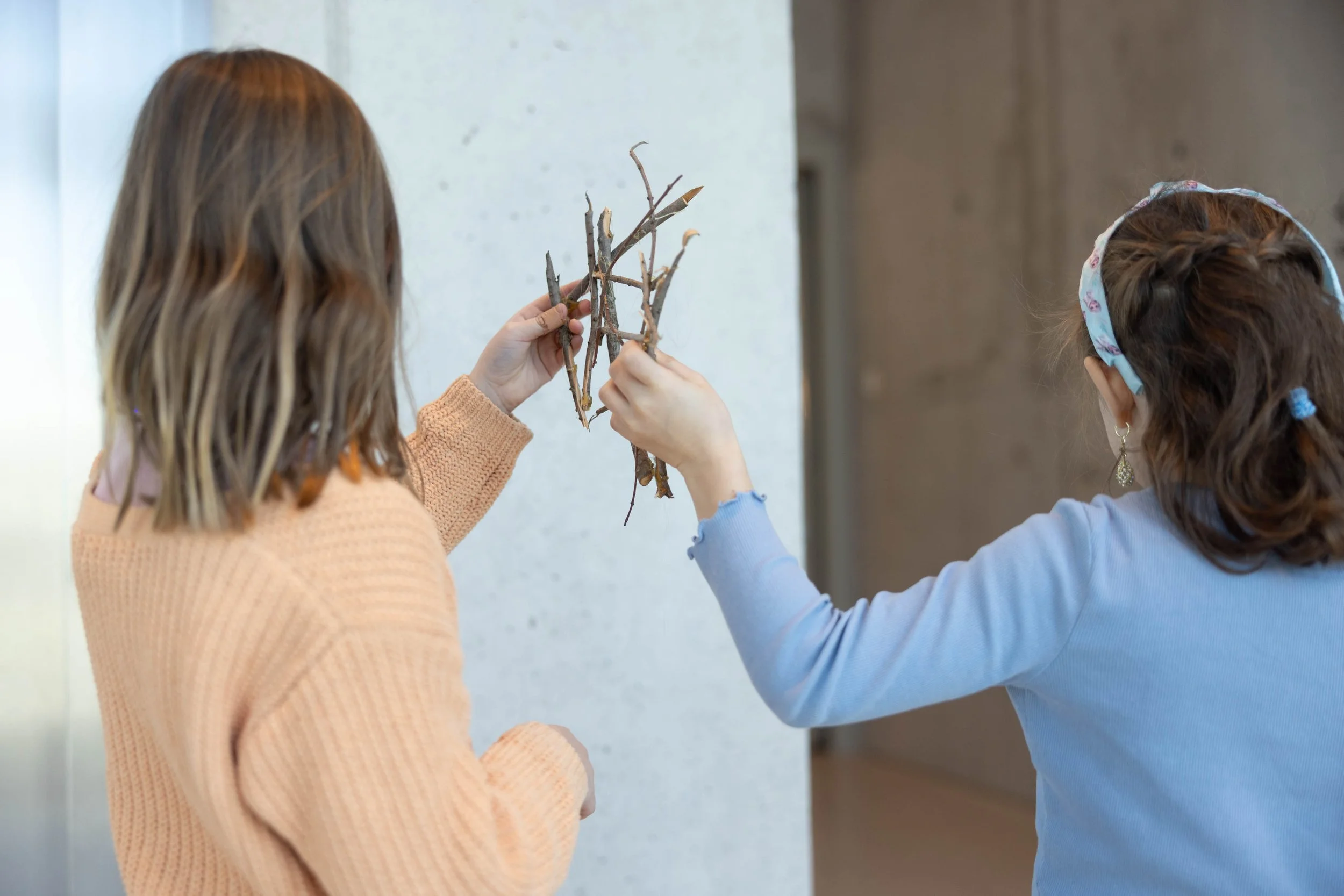
Workshop “Animals and other species, nature and plant” with Kay Walkowiak © eSeL.at - Lorenz Seidler
It was encouraging to see how quickly trust was established between the 6–14-year-olds on the one hand and the artists and curators on the other. The topics were challenging throughout, but they immediately aroused curiosity, a desire for dialogue, and a zest for action among the children and young people, who—at least that was our impression—soon felt like partners in exploring the content presented and linked it to their own experiences. The empathy that many kids showed towards nature and other living beings, sometimes combined with astonishing knowledge, was also cause for optimism. This is not to suggest that the event was attended exclusively by children and young people growing up with no worries, but it was astonishing to see the ability of most of them to empathize with animals and appreciate nature—an excellent starting point for maturing into adults who think and act in a regenerative way.
But the most beautiful thing about children is their ability to dream and imagine bright futures. Adults can learn a lot from children in this respect ...

Workshop “Water” with Herwig Turk © eSeL.at - Lorenz Seidler
The significance of this cooperation between ReGenerativa and KinderKunstLabor was highlighted in the welcome speeches by Mona Jas, Artistic Director of KinderKunstLabor, and Christoph Thun-Hohenstein, Artistic Director of ReGenerativa, as well as Hermann Dikowitsch, Head of the Department of Art and Culture at the Office of the State Government of Lower Austria, representing Governor Johanna Mikl-Leitner, as well as the significance of the workshop topics chosen for the launch. This was followed by exciting keynote speeches by artist Veronika Dirnhofer and writer Michael Stavarič, who presented a fascinating panorama of regeneration and immediately captivated the young audience.
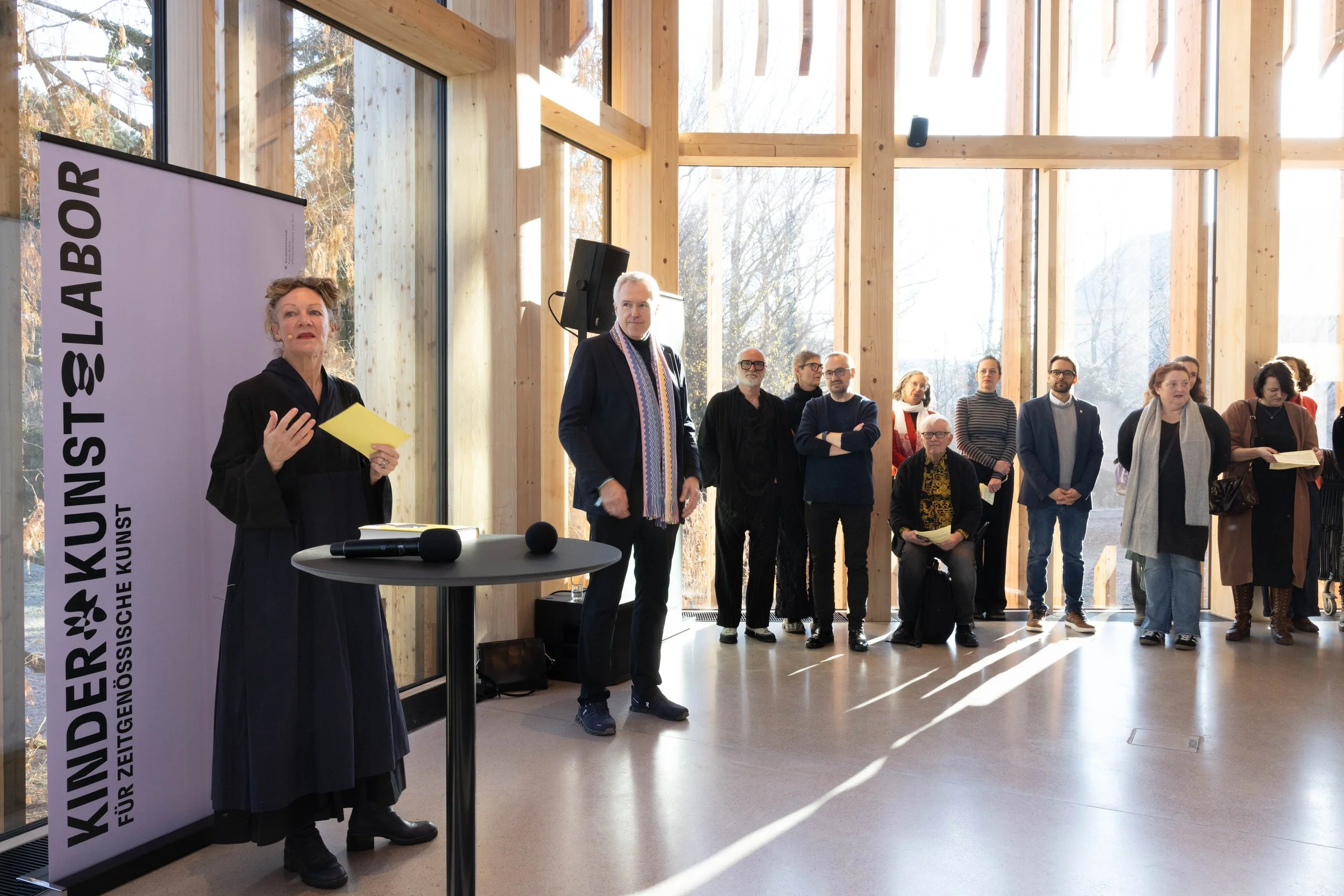
Welcome speech by Mona Jas, Artistic Director of KinderKunstLabor © eSeL.at - Lorenz Seidler
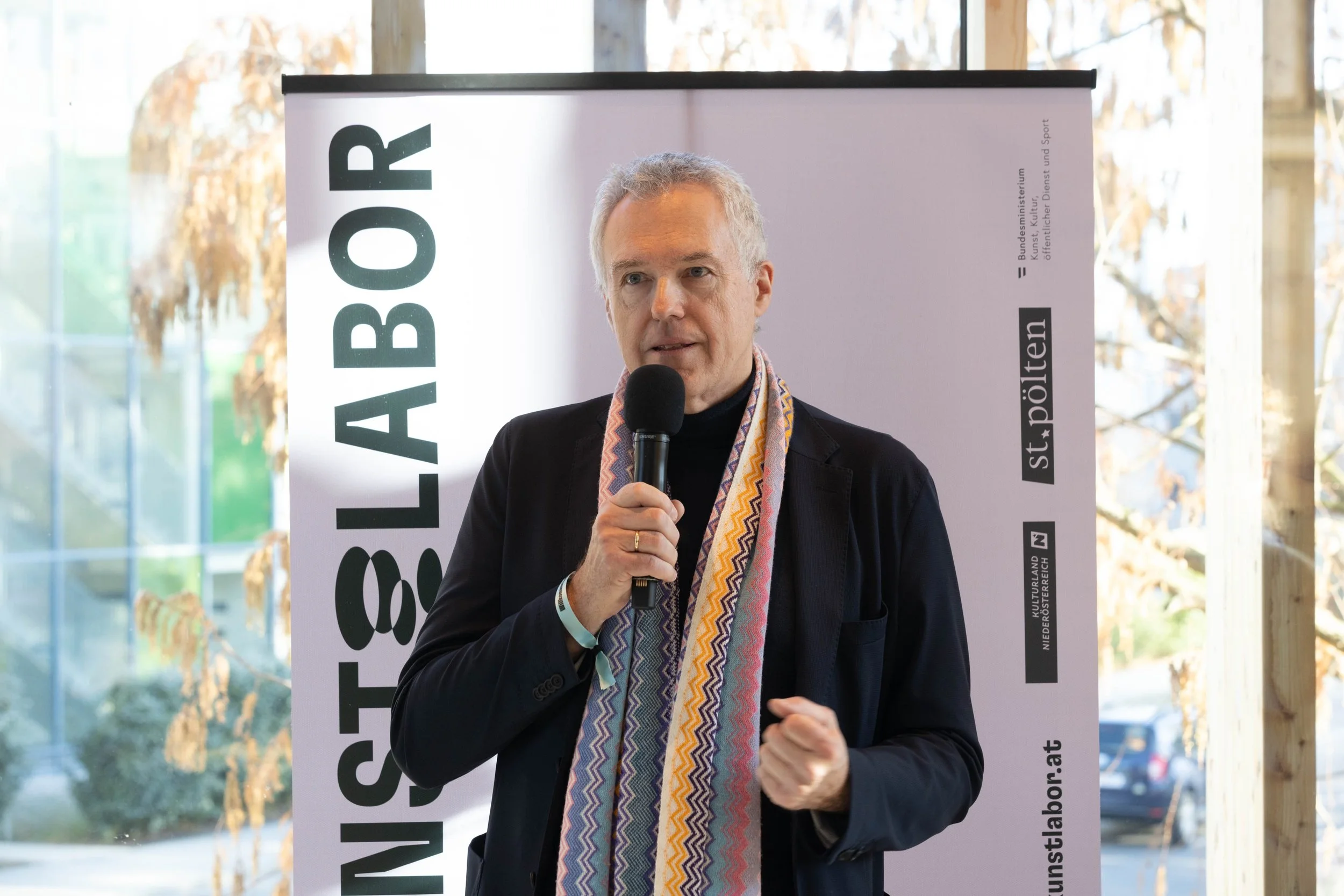
Welcome speech by Christoph Thun-Hohenstein, Artistic Director of ReGenerativa © eSeL.at - Lorenz Seidler

Welcome speech by Hermann Dikowitsch, Head of the Department of Art and Culture at the Office of the State Government of Lower Austria, representing Governor Johanna Mikl-Leitner © eSeL.at - Lorenz Seidler
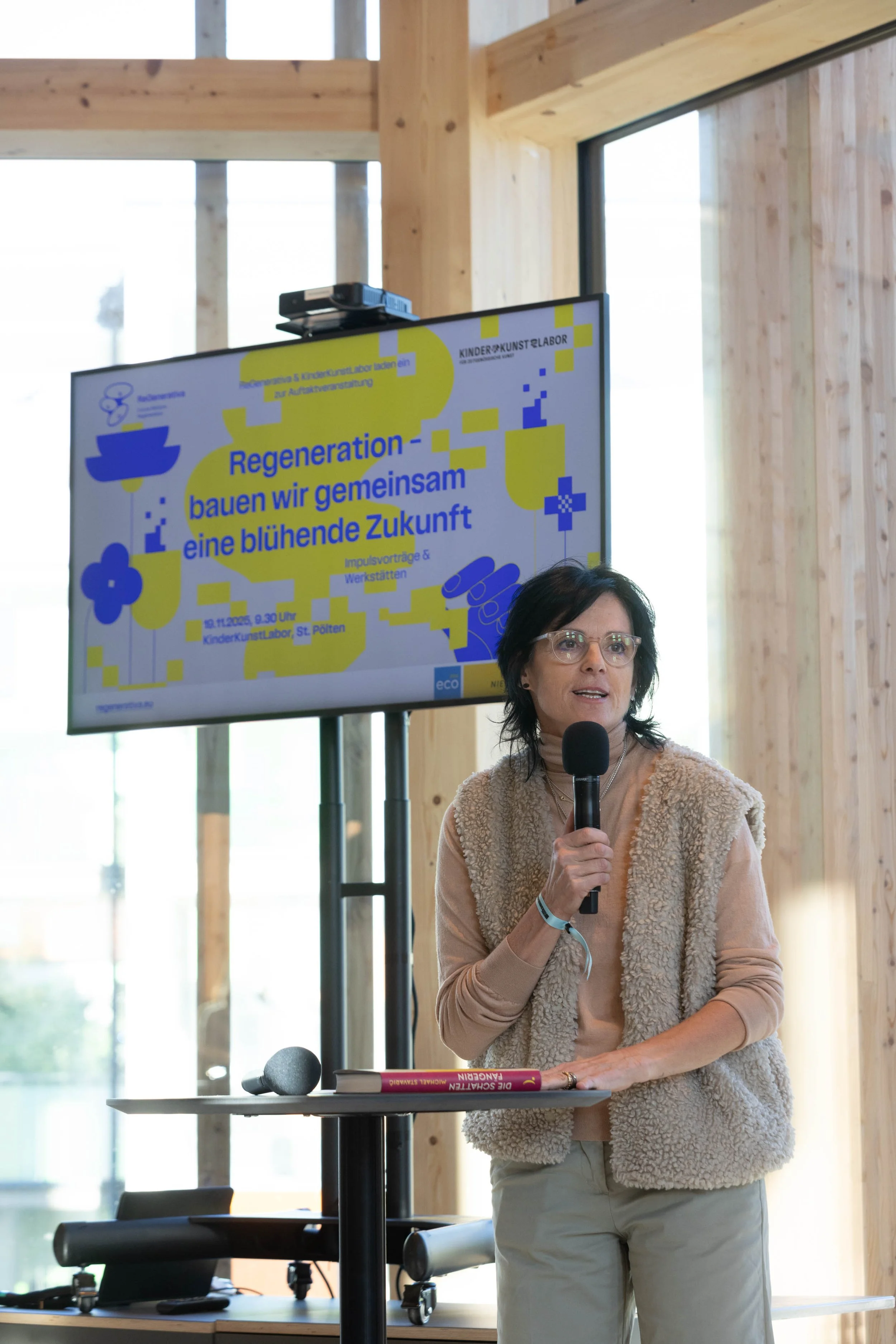
Keynote speech by Veronika Dirnhofer © eSeL.at - Lorenz Seidler
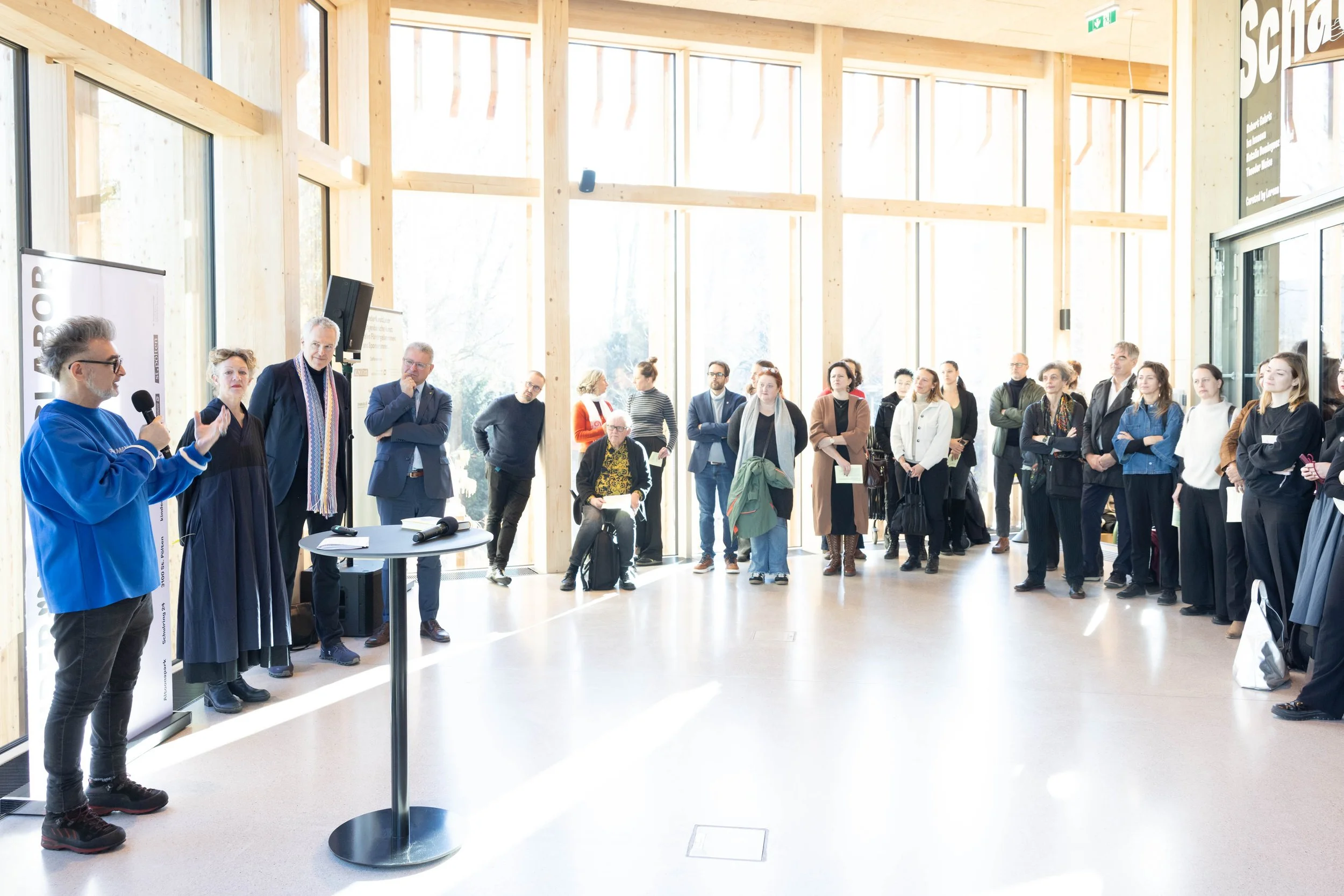
Keynote speech by Michael Stavarič © eSeL.at - Lorenz Seidler

Michael Stavarič, Veronika Dirnhofer, Mona Jas, Christoph Thun-Hohenstein © eSeL.at - Lorenz Seidler
© eSeL.at - Lorenz Seidler
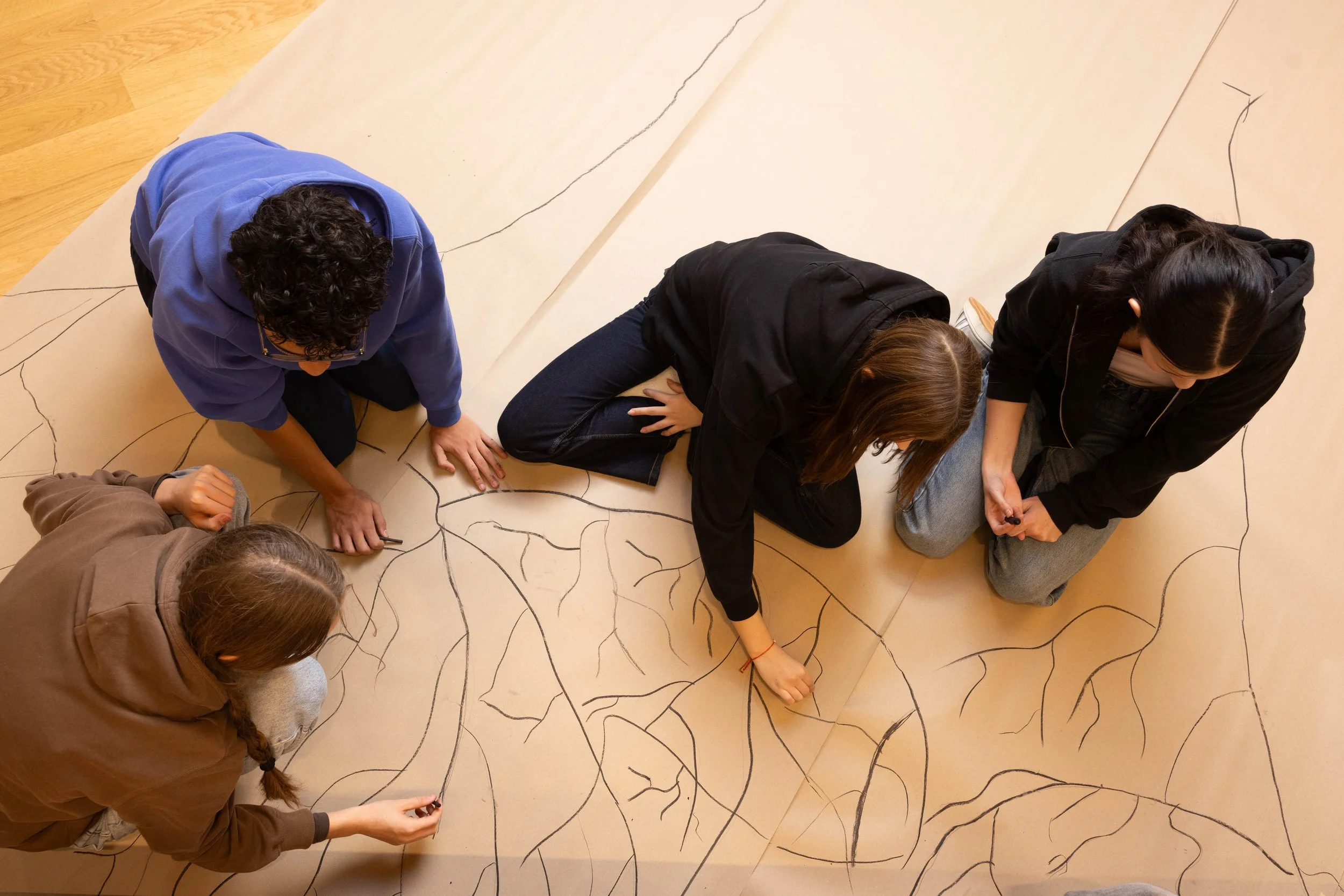
Workshop "Forest/Wood" with Andreas Hoffer © eSeL.at - Lorenz Seidler

Workshop "Circularity" with Ronja Grossar © eSeL.at - Lorenz Seidler
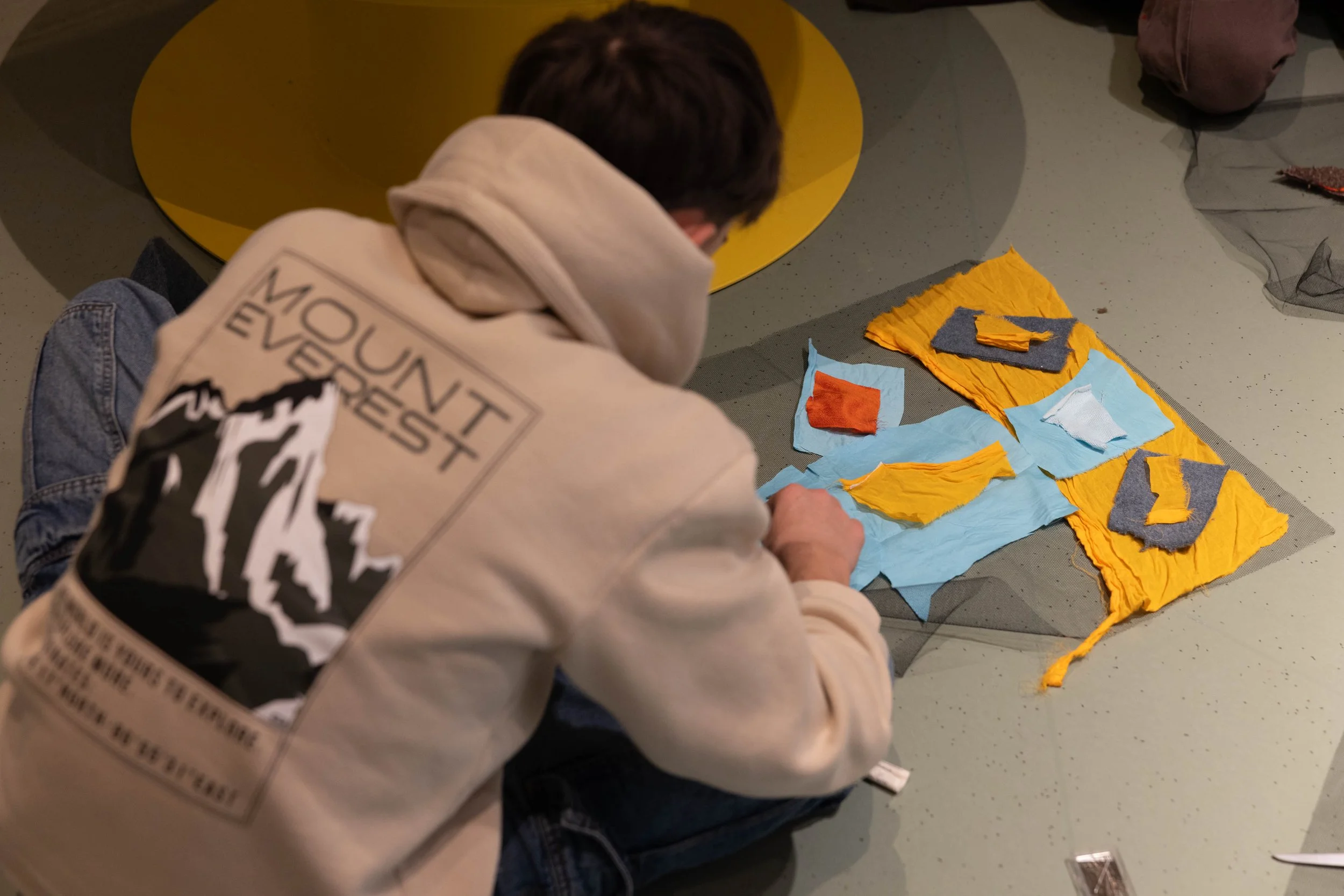
Workshop "Textiles" with Karin Oèbster © eSeL.at - Lorenz Seidler
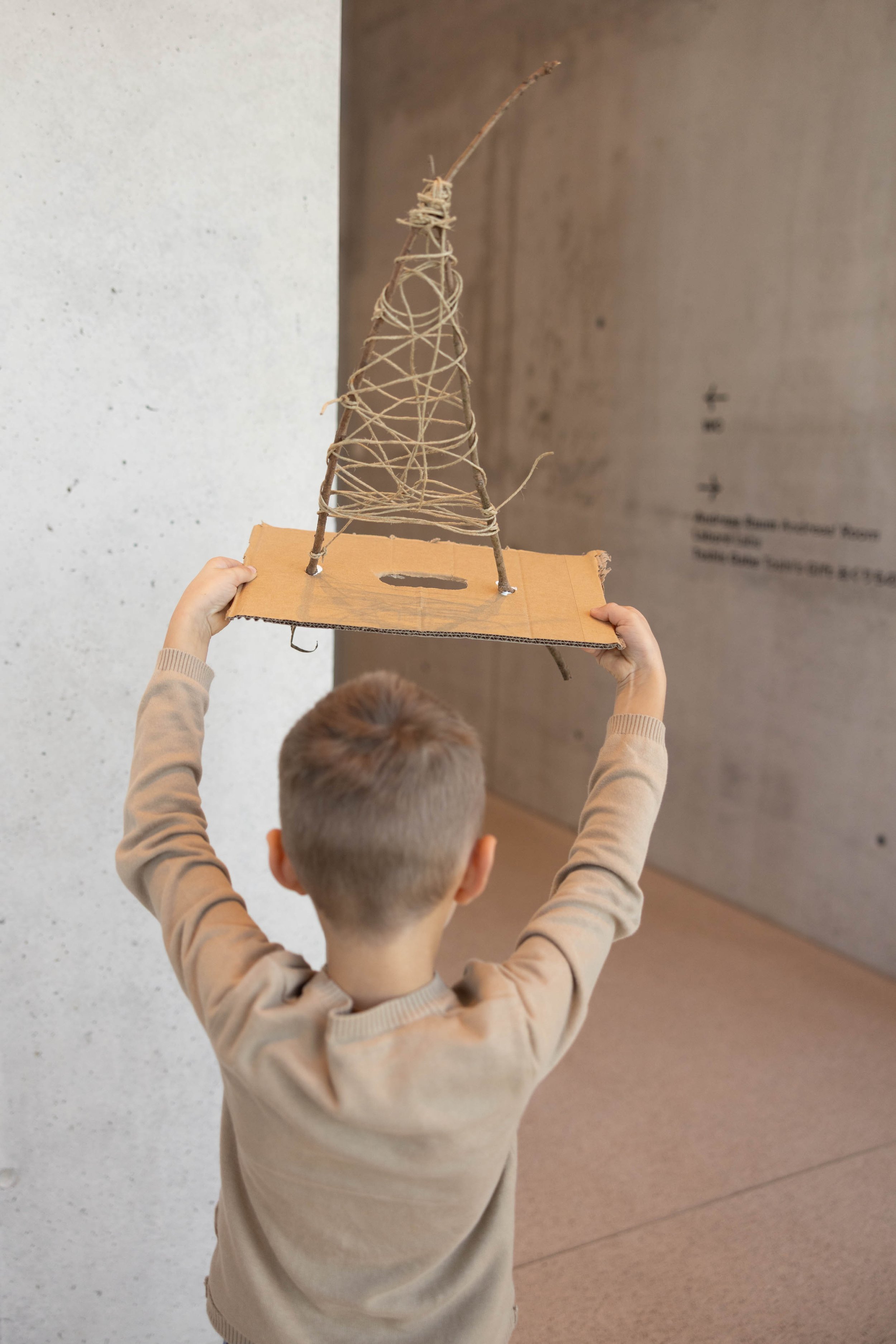
Workshop "Animals and other species, nature and plants" with Kay Walkowiak © eSeL.at - Lorenz Seidler

Workshop "Animals and other species, nature and plants" with Kay Walkowiak © eSeL.at - Lorenz Seidler

Workshop "Water" with Herwig Turk © eSeL.at - Lorenz Seidler
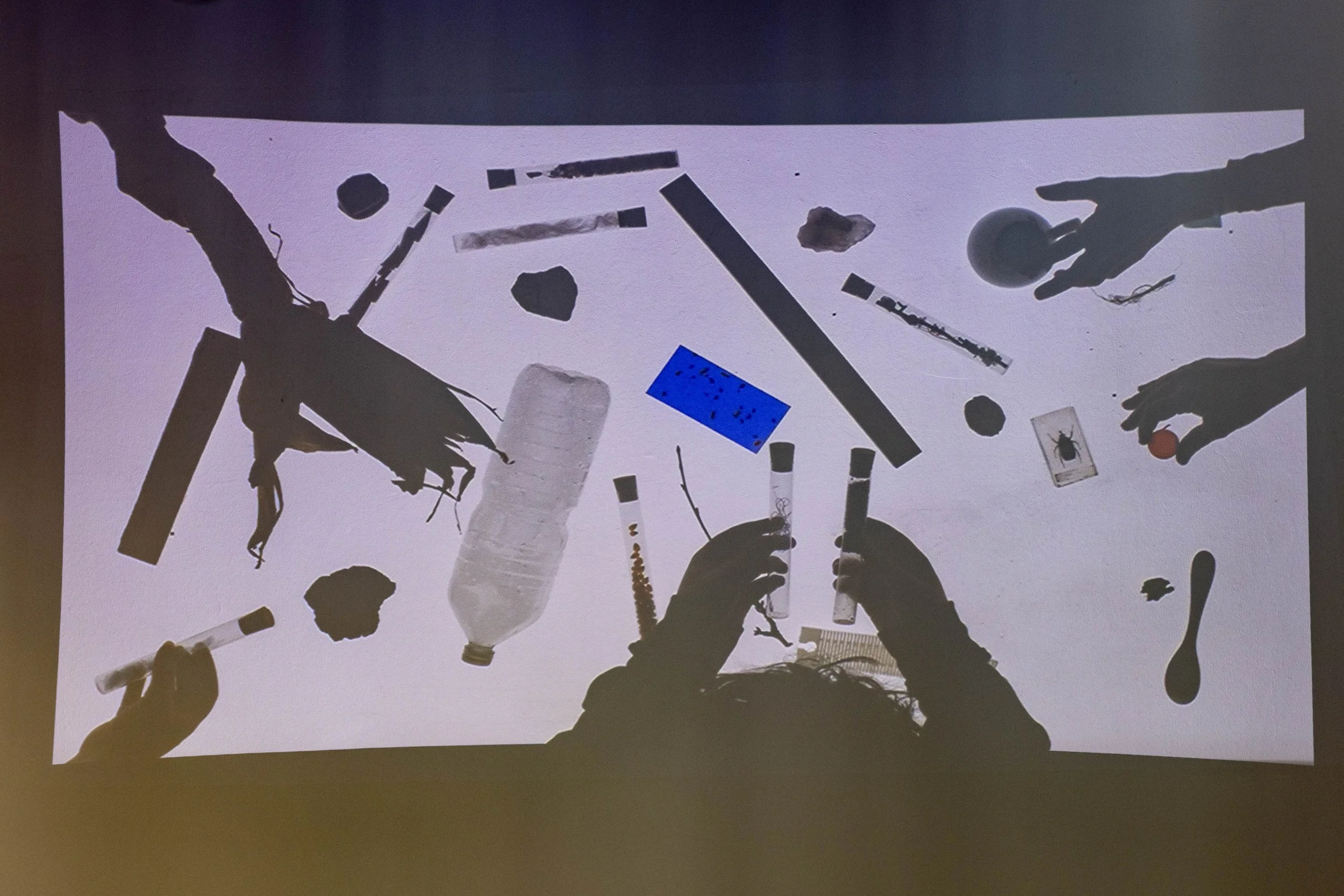
Workshop "Circularity" with Ronja Grossar © eSeL.at - Lorenz Seidler
The children then divided themselves among the following five open workshops:
Animals and other species, nature and plants: What might buildings inspired by animals rather than humans look like? How would a snail design its home—round, protective, and sustainable? How does a spider spin its web—delicate yet stable, precise and efficient? And how does a beaver construct its lodge—from natural materials, cleverly arranged and perfectly adapted to its environment?
Workshop with Kay Walkowiak, artist
Water: Why is water a central force of regeneration? How can we use water mindfully?
Workshop with Herwig Turk, artist
Forest/Wood: Dreaming to change reality and the utopia of imagination in collaboration with dream.lab (project by Rivane Neuenschwander).
Workshop with Andreas Hoffer, curator and art educator
Textiles: How can clothing be developed in a regenerative way? How can the negative effects of fast fashion be avoided? Could new technologies help? Current reports and a handbook on textile fibers (available for everyone to take home) support the work in the workshop.
Workshop with Karin Oèbster, fashion designer
Circularity: What is meant by circularity in biological and technical contexts? What significance does circularity have for regeneration and dealing with sustainability/biodiversity and digital technologies, including artificial intelligence?
Workshop with Ronja Grossar, strategic designer, IDRV – Institute of Design Research Vienna
In the afternoon, the workshops continued their playful work with other children and accompanying adults.
The lively exchange between the workshop leaders and the children and young people, as well as their wonderful creativity, impressively underscored how important an open dialogue about the future between different generations is.
We would like to thank Mona Jas and her dedicated team for the wonderful collaboration, as well as all the children and young people involved and the artists and cultural professionals for their exciting ideas. We look forward to continuing and deepening this collaboration in 2026!