




Recap:
JOY IN TAKING RESPONSIBILITY FOR THE FUTURE
The first SALON REGENERATION paid tribute to the BMW Neue Klasse (New Class)
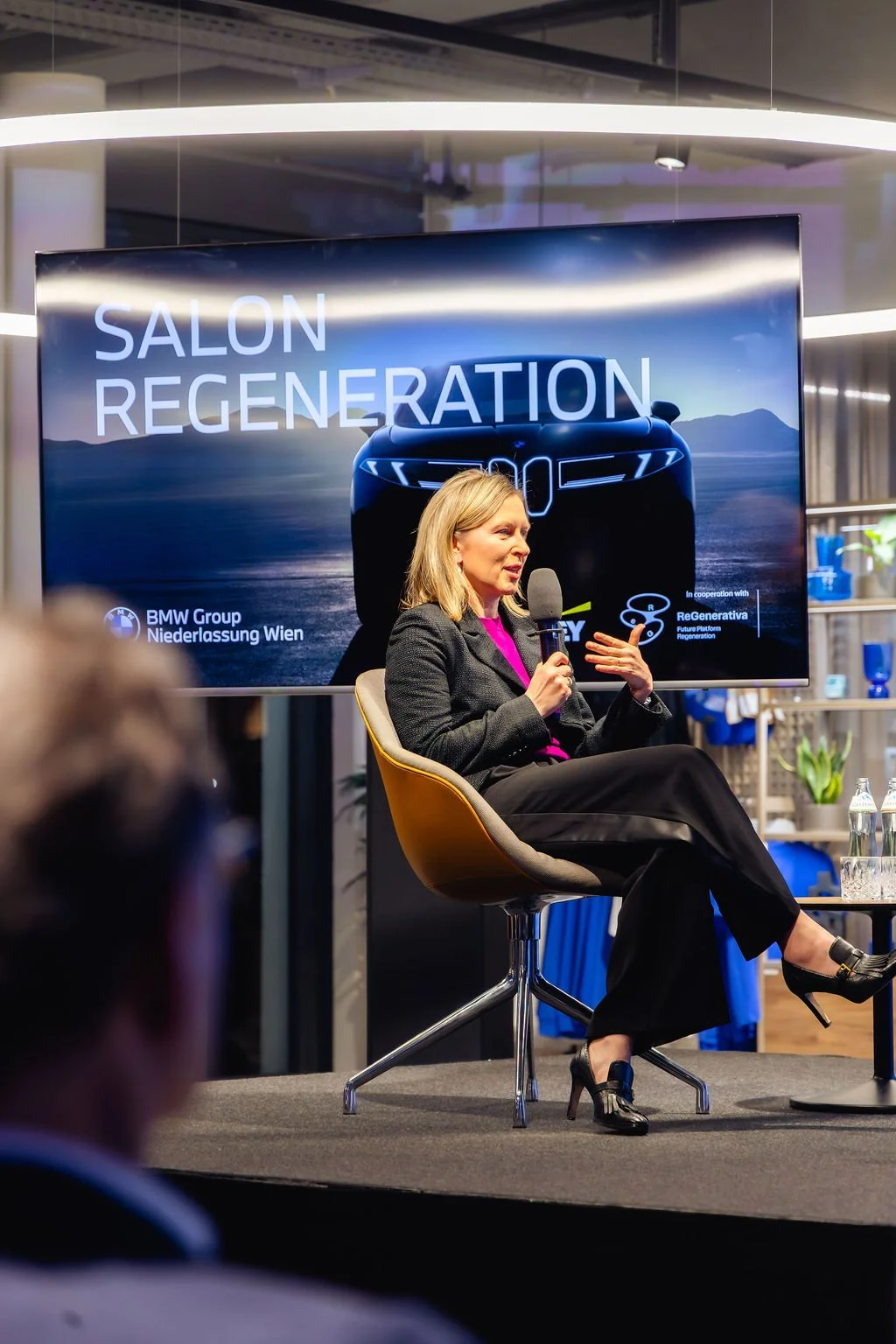
It is no coincidence that the first SALON REGENERATION took place just a few days before the official start of spring. This new format, developed by the future platform ReGenerativa, aims to foster a sense of optimism not only after a long, tiring winter, but also in the midst of multiple crises. Spring is the best time to recognize the beauty of regeneration, to feel the importance of intact nature for us humans, and to understand why we are called upon not to destroy this splendor. A regenerative mindset focuses on life in all its manifestations and seeks to shape the future together with nature—not against her and at her expense. Joy and zest for life on the one hand and responsibility on the other are not opposites but are mutually dependent and can even reinforce each other: the more responsibly we act as humans, the more we will appreciate, even love, the qualities of nature and be willing to commit ourselves to them. This requires forward-looking transformation steps with a sense of proportion that are convincingly set by companies and welcomed by people as future-oriented.
Mobility plays a key role in shaping renewable futures. There are many different approaches to transforming the mobility sector, each with its own merits. However, any sensible transformation must take into account that motorized private transportation is likely to remain with us for a long time to come. This makes it all the more important to steer it in a forward-looking direction. And the regenerative future of motorized private transportation lies in e-mobility.
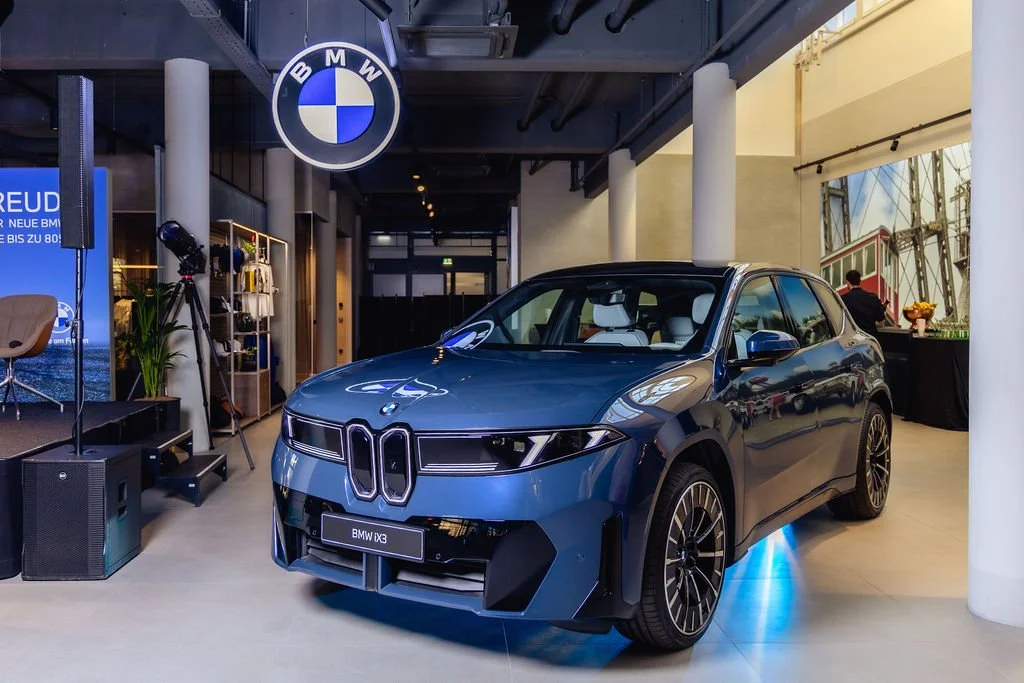
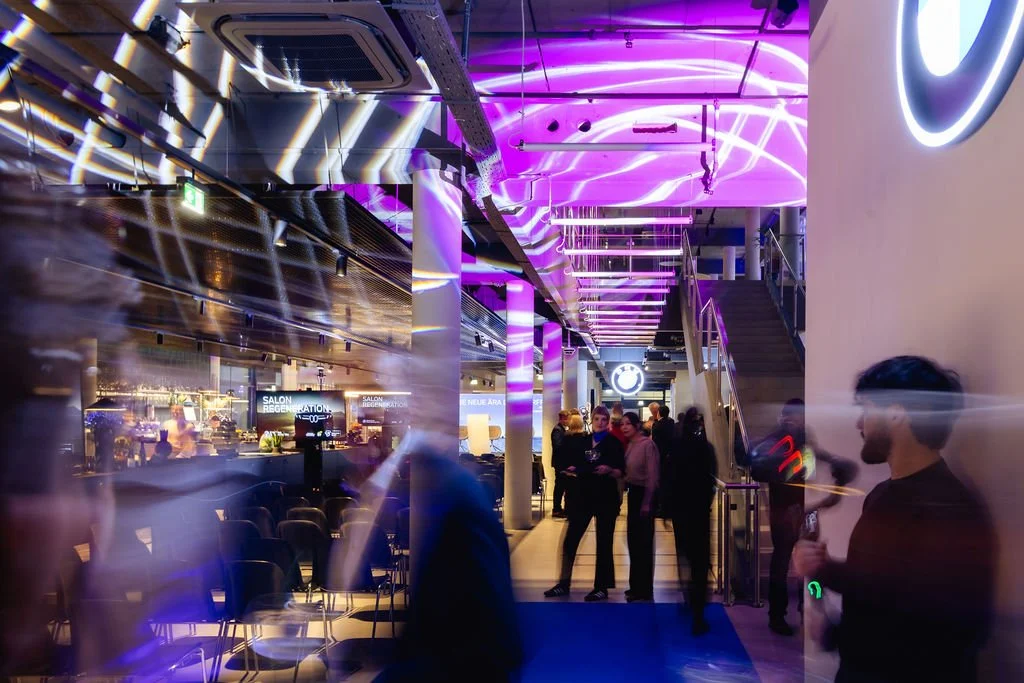
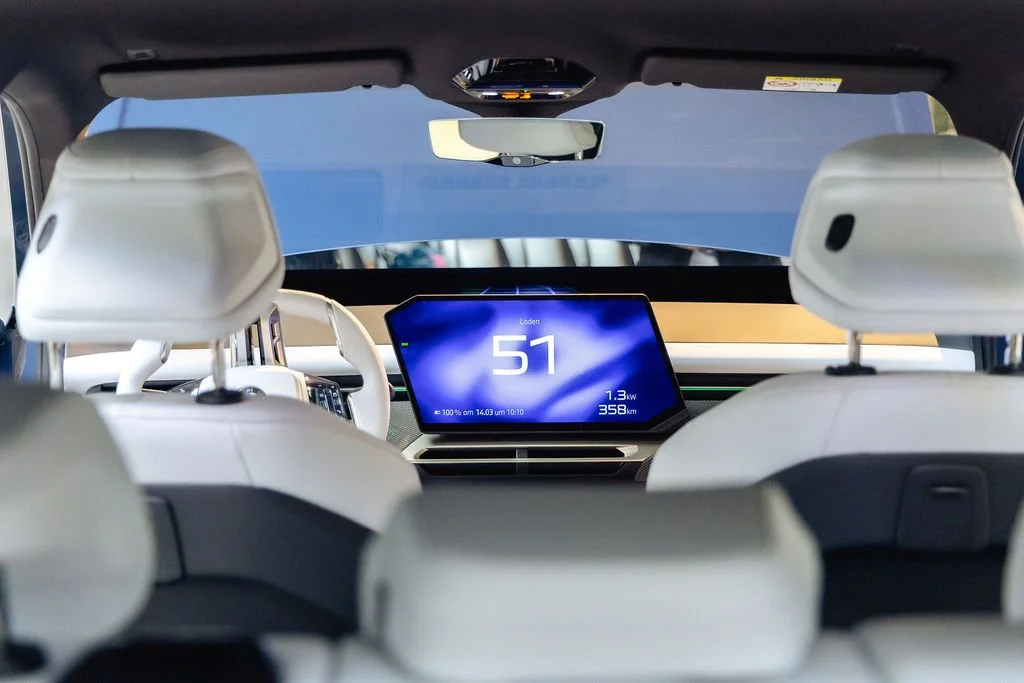
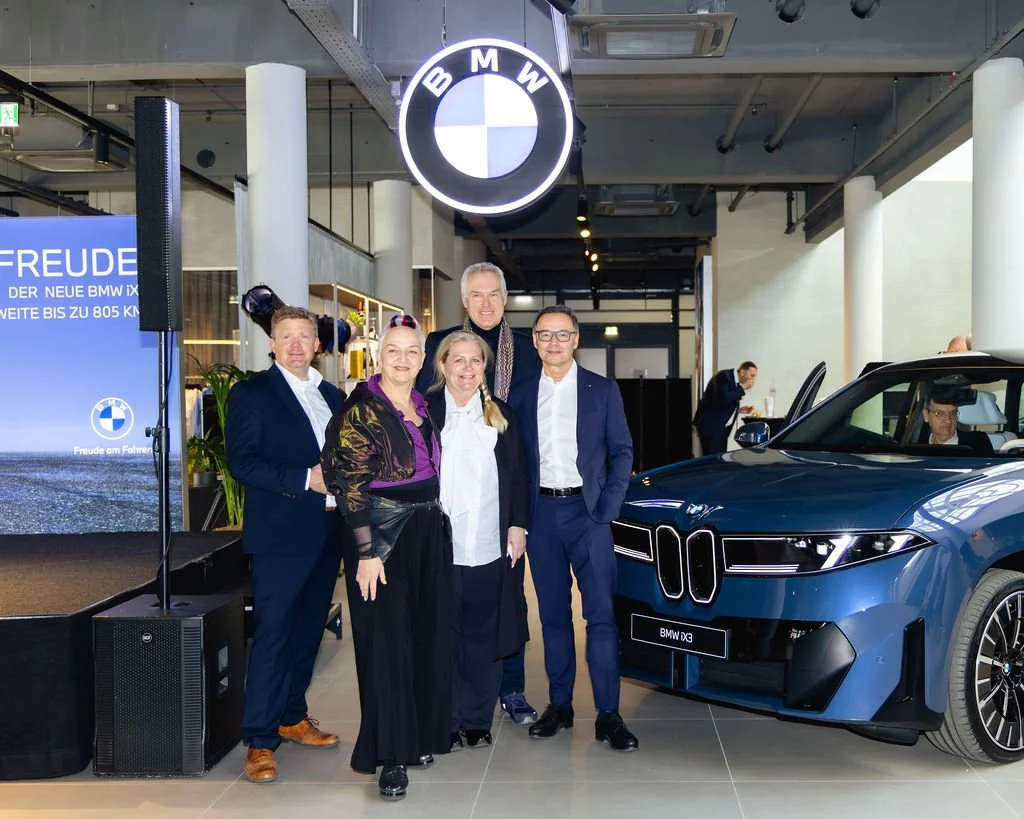
BMW is showing courage by launching a New Class of electric mobility at a time when climate protection commitments are not exactly easy in the Global North, given the crisis-ridden economies. Although this New Class builds on a great past – the first (fossil fuel-powered) New Class was built from 1962 to 1972 – it faces the immense challenge of carrying its technological, social, aesthetic, and cultural aspirations into a completely new era in which non-fossil fuel-based, regenerative lifestyles and business models that promote them need to be developed. The new BMW iX3, the first model in the New Class, is characterized by significant regenerative innovations such as increased product sustainability throughout its entire life cycle and the manufacture of around one-third of the vehicle from secondary materials. The BMW New Class demonstrates the highest level of quality in European e-mobility. This was recognized at the SALON REGENERATION event held at the BMW Branch in Vienna’s Heiligenstadt district.
© Marnie Wilkinson
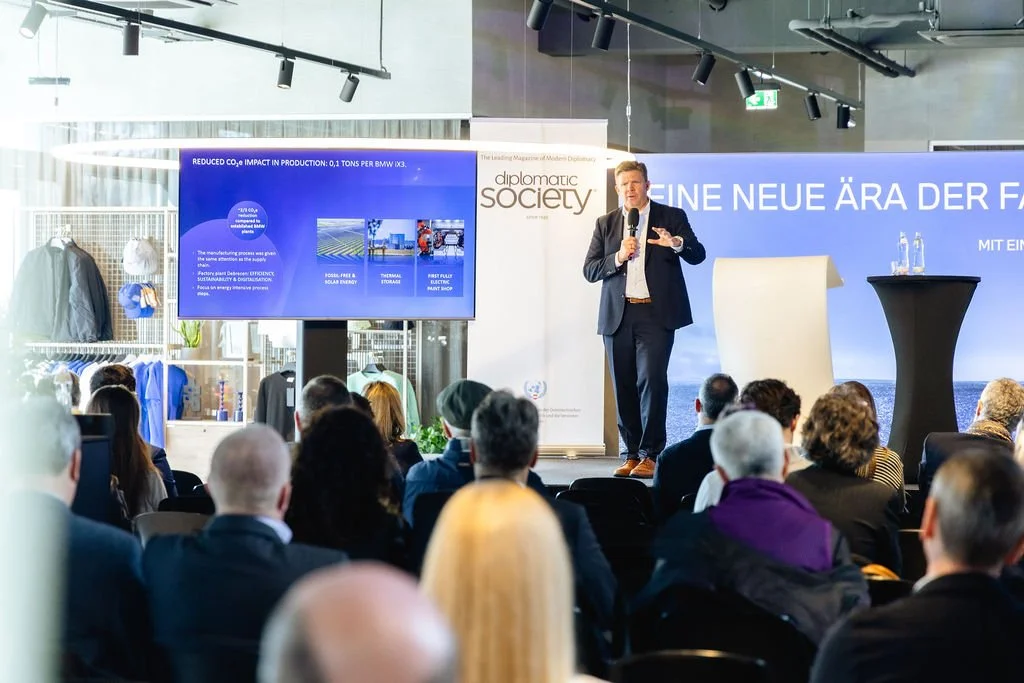
Jürgen Fröschl, Head of Product Sustainability BMW Group
© Marnie Wilkinson
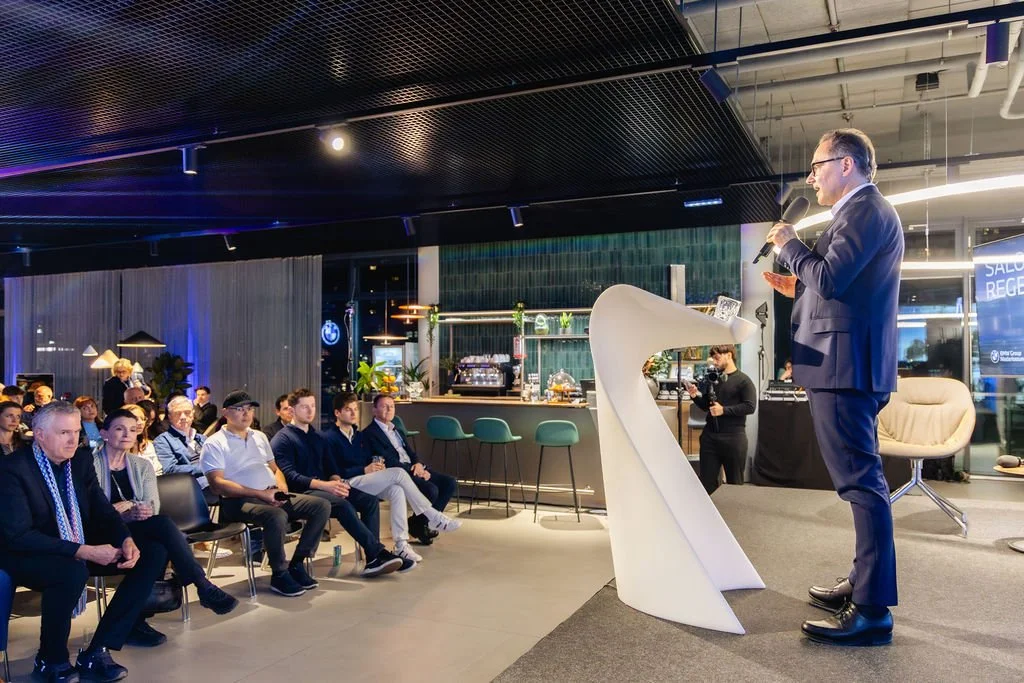
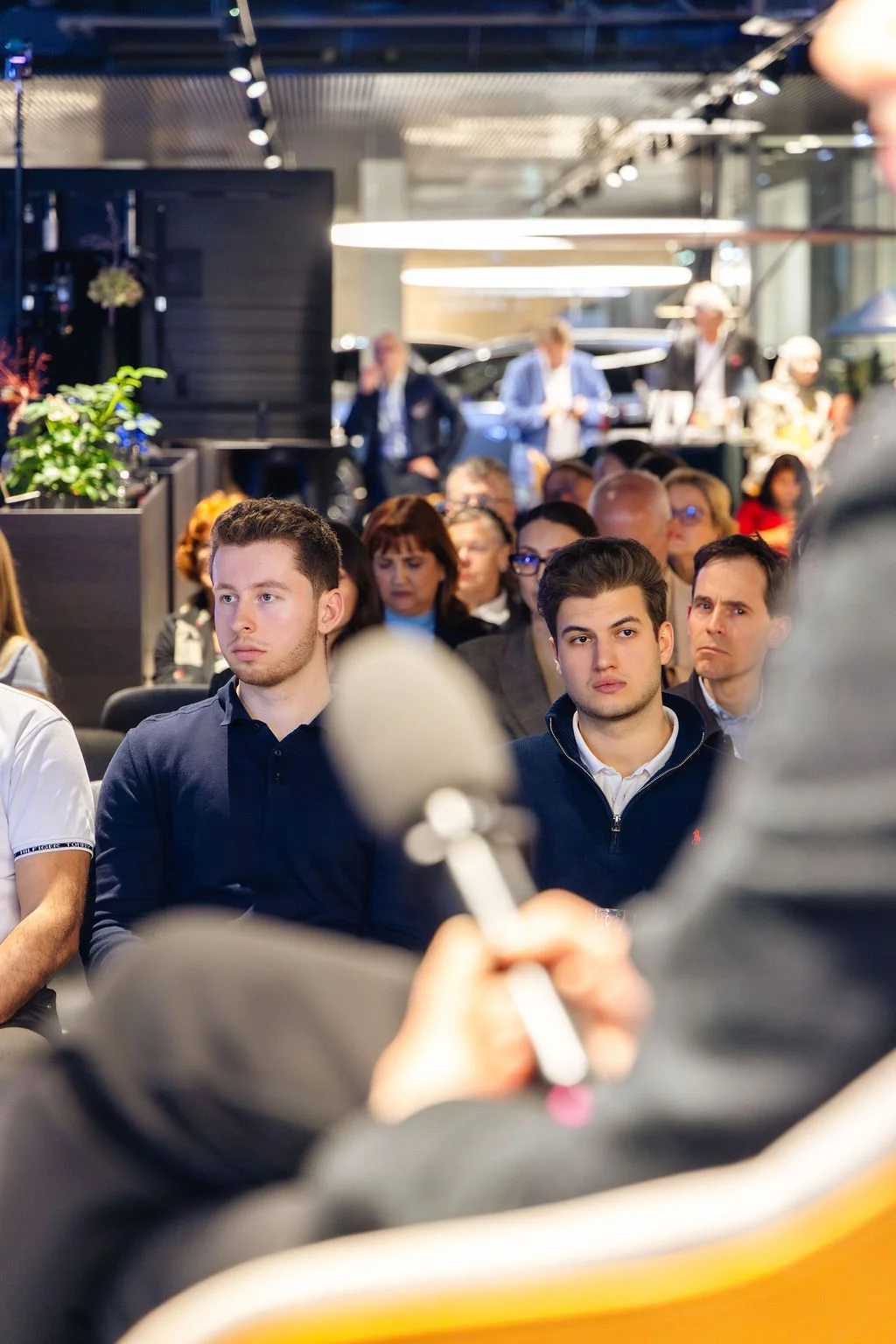
In his opening remarks, Josef Reiter, CEO of BMW’s Vienna Branch, positioned the launch of the New Class with the BMW iX3 as part of BMW’s ambitious overall sustainability strategy. He had also invited two distinguished experts from BMW headquarters in Munich to Vienna: Cornelia Bovensiepen, Head of Product Sustainability Communication, and Jürgen Fröschl, Head of Product Sustainability – Vehicle Projects. They explained BMW’s concept of holistic product sustainability, from development to usage, as well as the special importance that circular design holds for BMW. It was emphasized that users of the BMW iX3, when charging with electricity from exclusively renewable sources, are already driving more ecologically after about one year—instead of the previous five years!—than with a comparable combustion engine vehicle. See also https://www.bmwgroup.com/en/news/general/2025/first-model-of-the-neue-klasse.html
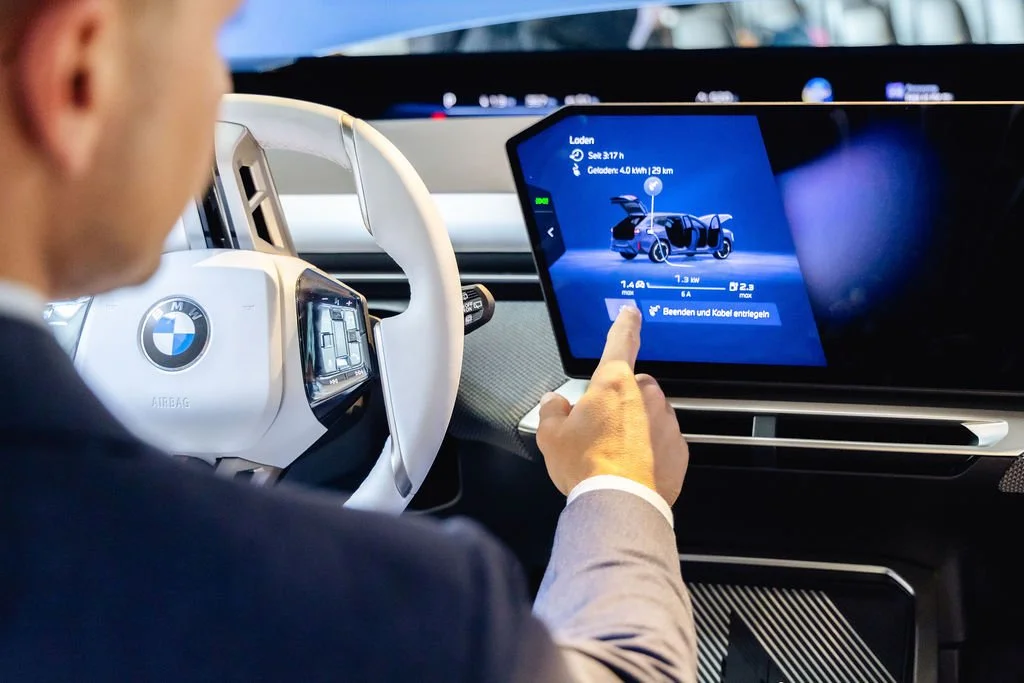
The New Class is also characterized by its ability to support bidirectional charging, cf. https://www.press.bmwgroup.com/global/article/detail/T0455460EN/germany’s-first-bidirectional-vehicle-to-grid-v2g-charging-offer-from-bmw-group-and-e-on:-wallbox-and-electricity-tariff-now-available-to-order?language=en
© Marnie Wilkinson
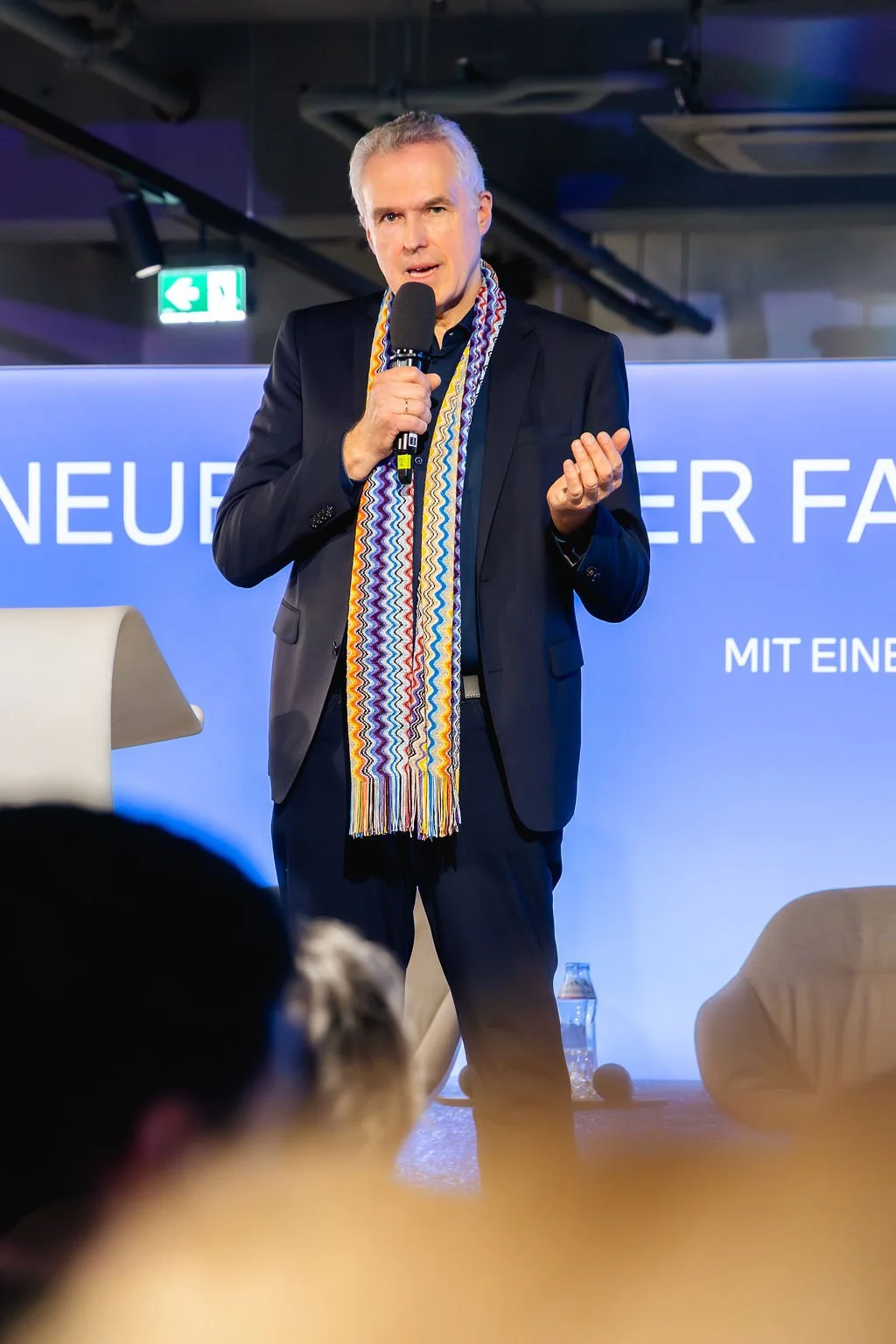
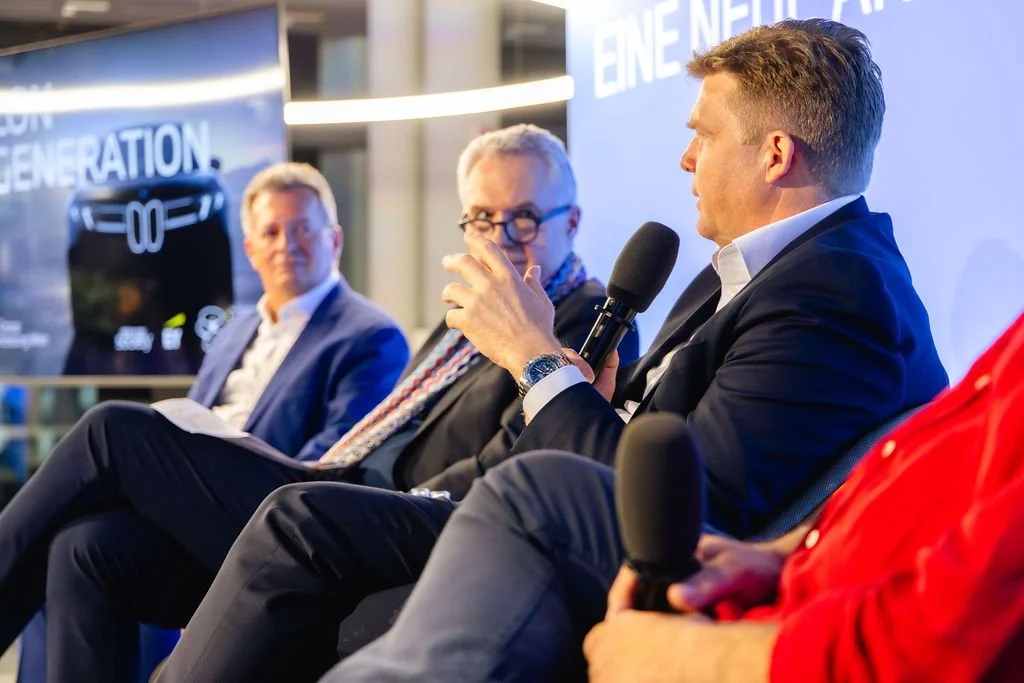
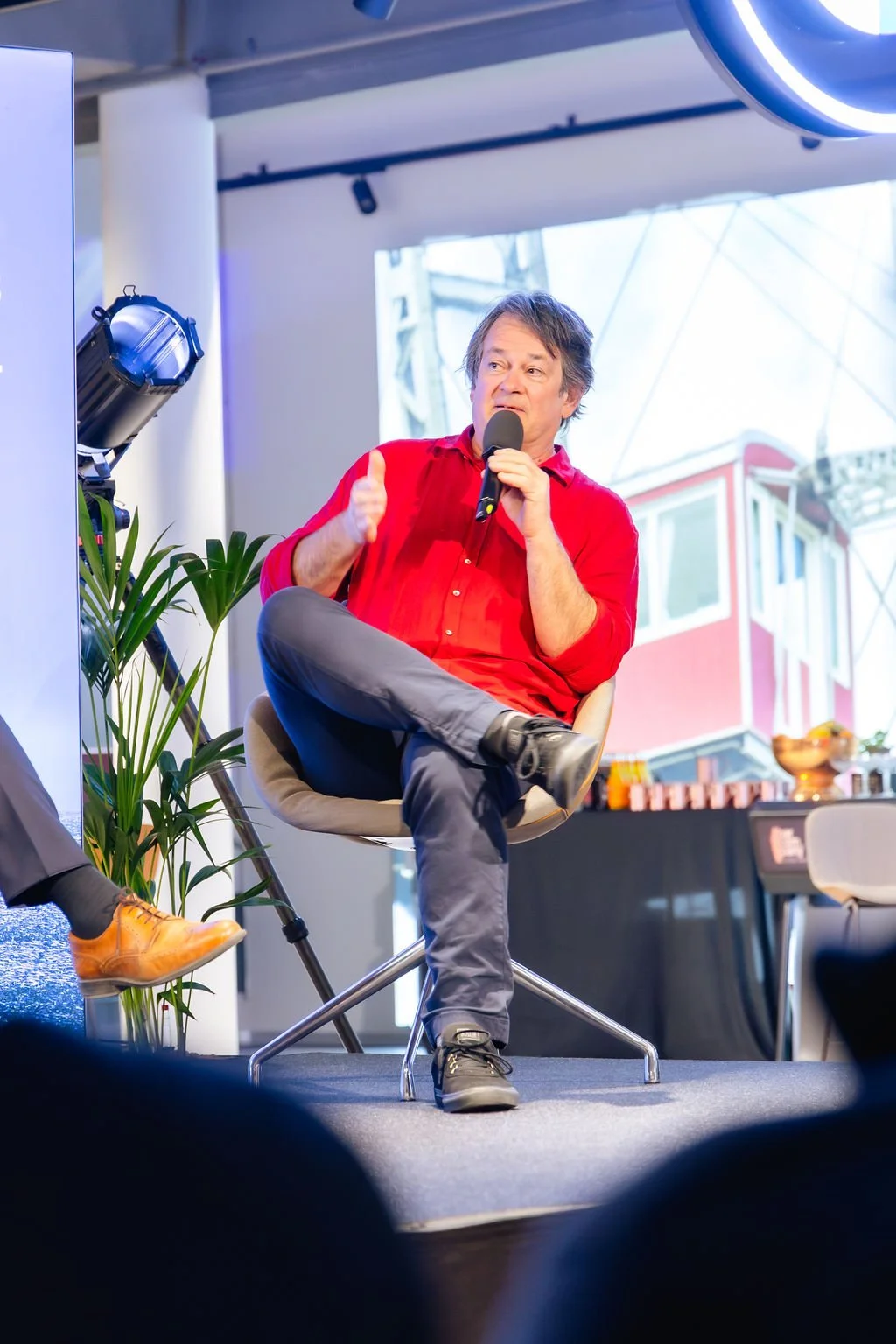
Further insights were provided by Martin Unger, strategy consultant at EY-Parthenon, and by artist Rainer Prohaska, who also serves as lead coordinator of the Research Cluster | Sustainability in the Arts at the Academy of Fine Arts Vienna and is the driving force behind FUTURAMA°LAB: The Art of Ecological Transformations. Martin Unger assessed BMW’s strategy of innovation and technological openness as a key economic prerequisite for implementing ambitious and financially challenging milestones such as the New Class of Electric Mobility launched with the BMW iX3. Rainer Prohaska, who studied mechanical engineering himself, identified important links between forward-looking art and innovative business and proposed exploring opportunities for future collaboration on selected aspects of electric mobility between the Research Cluster he leads at the Academy of Fine Arts Vienna and BMW. Christoph Thun-Hohenstein, artistic director of the future platform ReGenerativa, described the connections between regeneration and the BMW New Class, while also emphasizing the urgency of embedding a regenerative mindset across the entire spectrum of business and society.
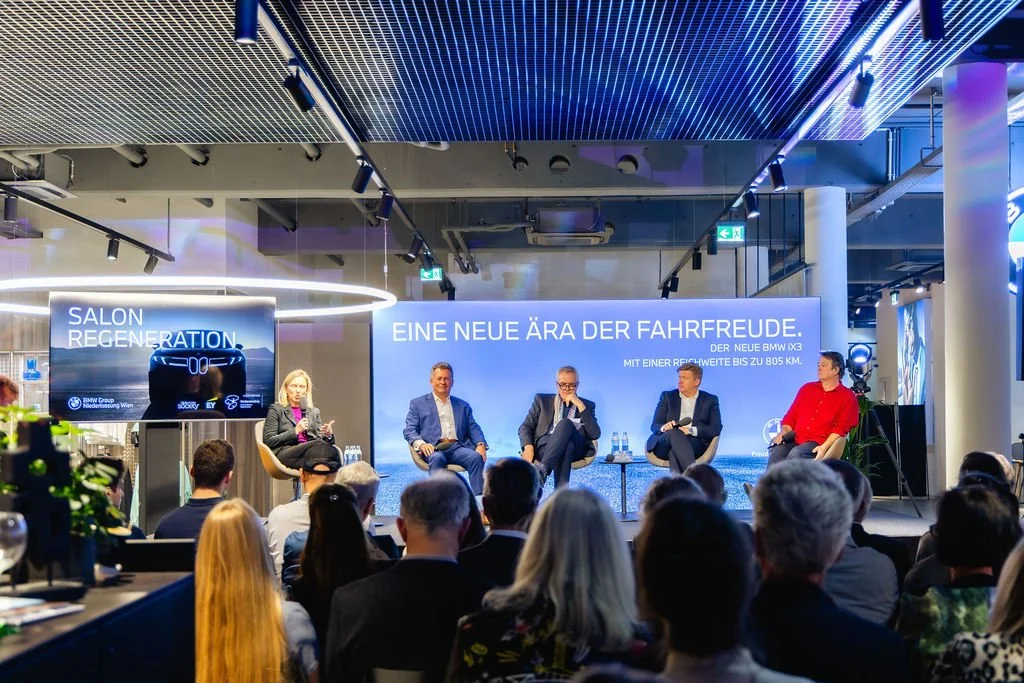
Panel Discussion © Marnie Wilkinson
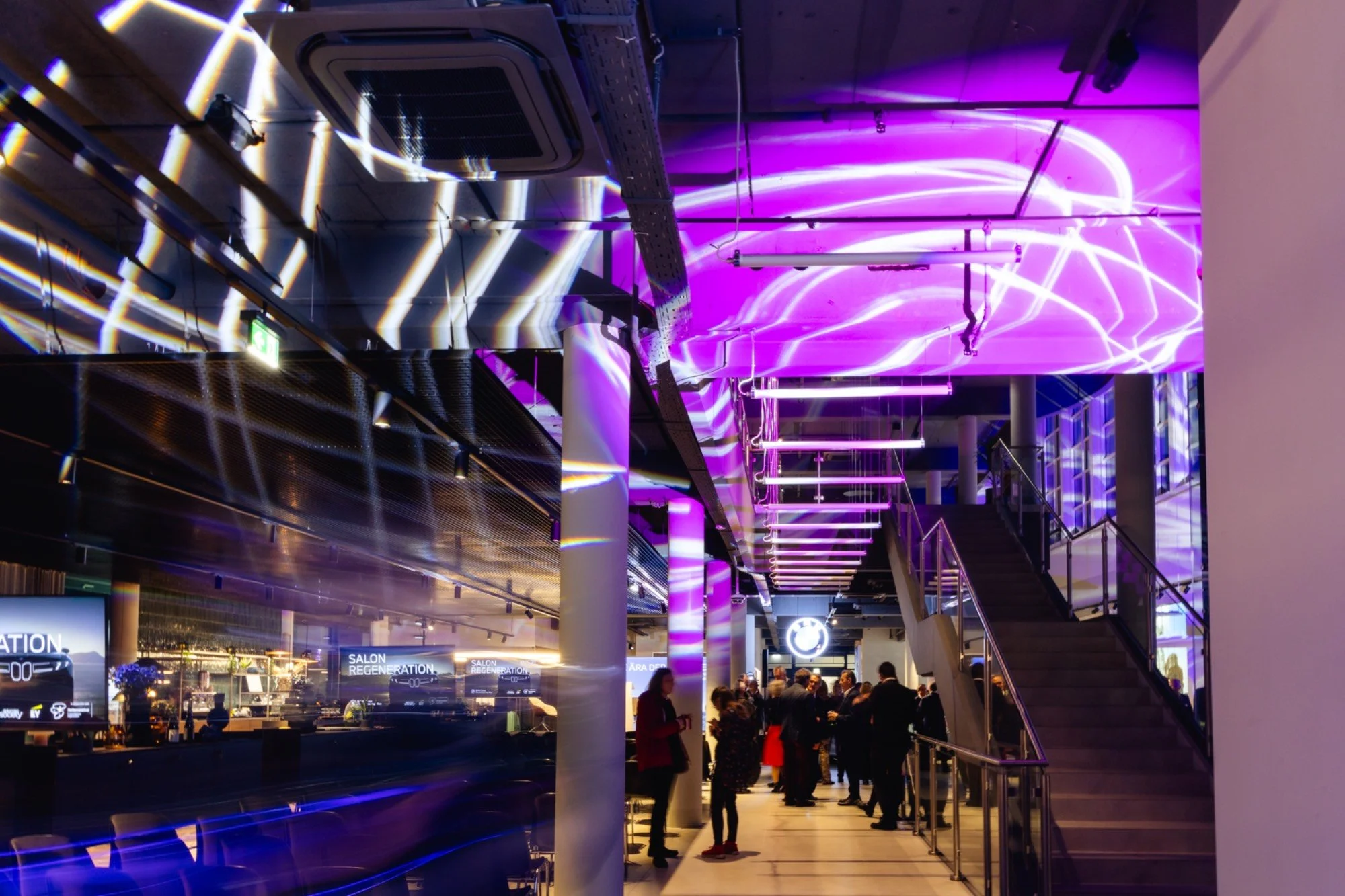
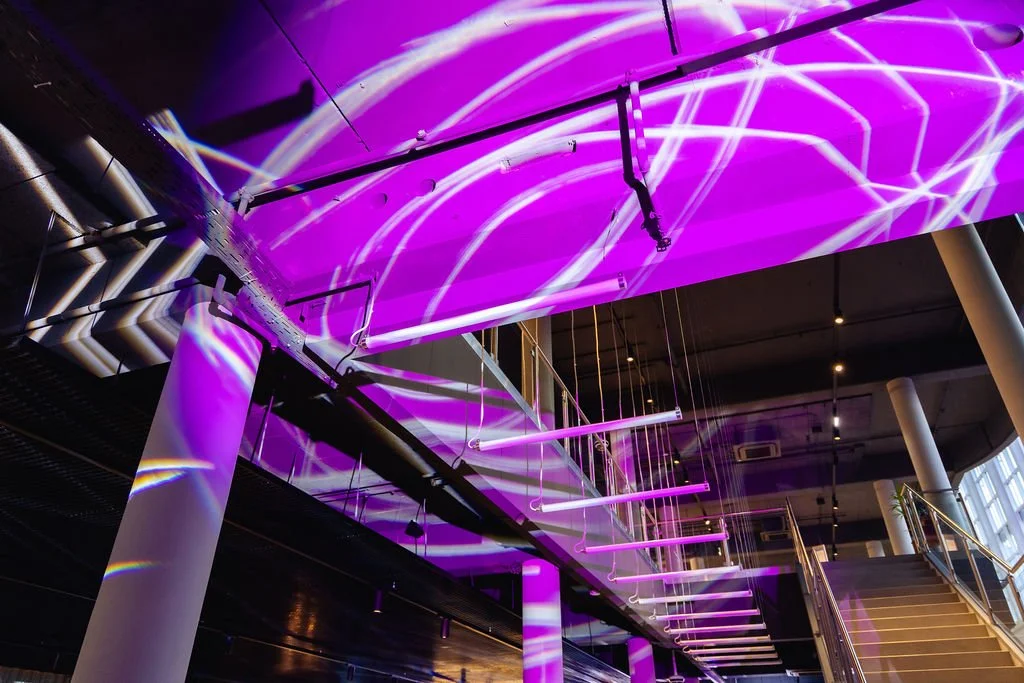
Renowned light artist Victoria Coeln created a large-scale light installation at the BMW Branch in Vienna-Heiligenstadt that not only underscored the significance of the occasion with artistic imagination but also highlighted the iX3’s exceptional aesthetic quality.
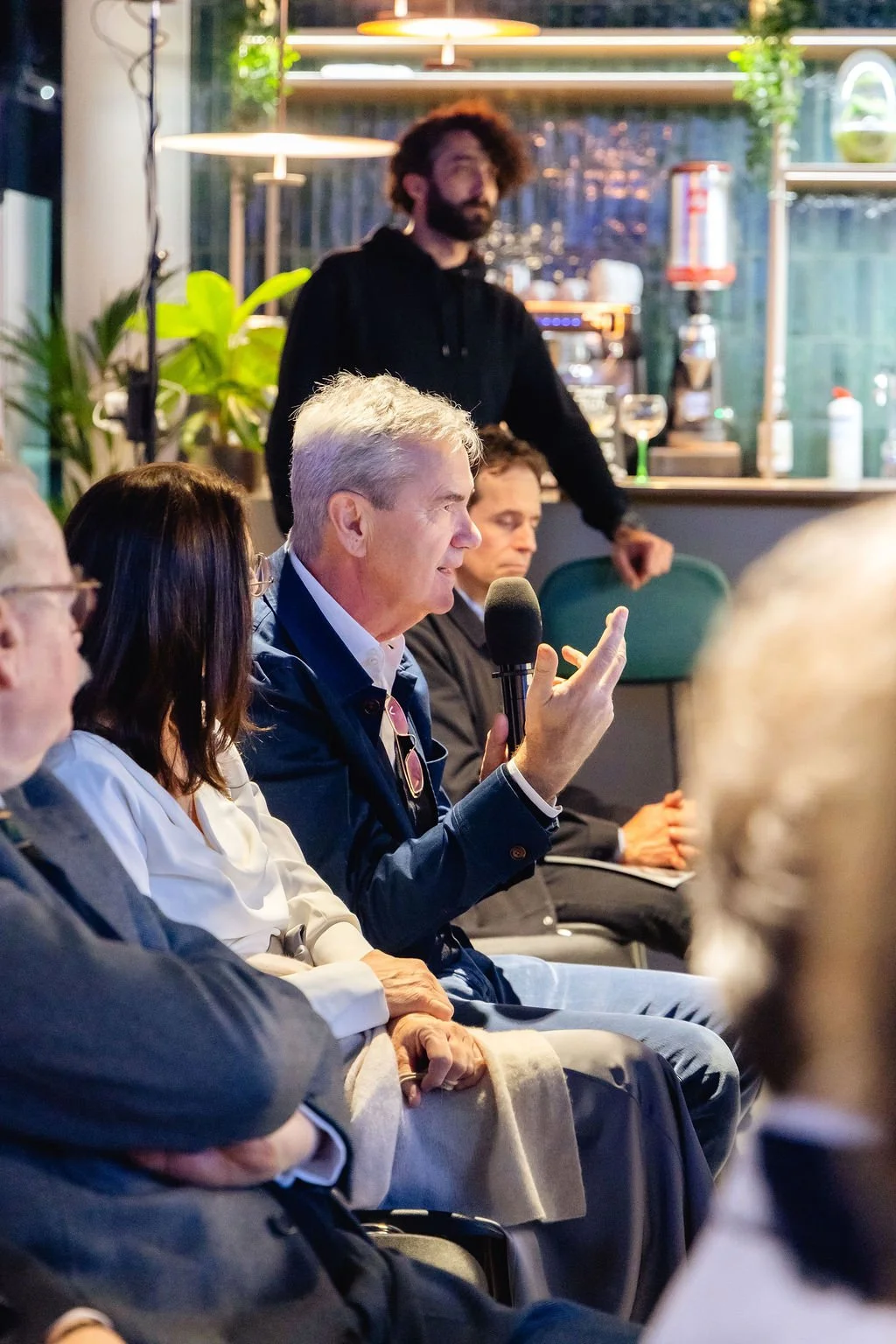
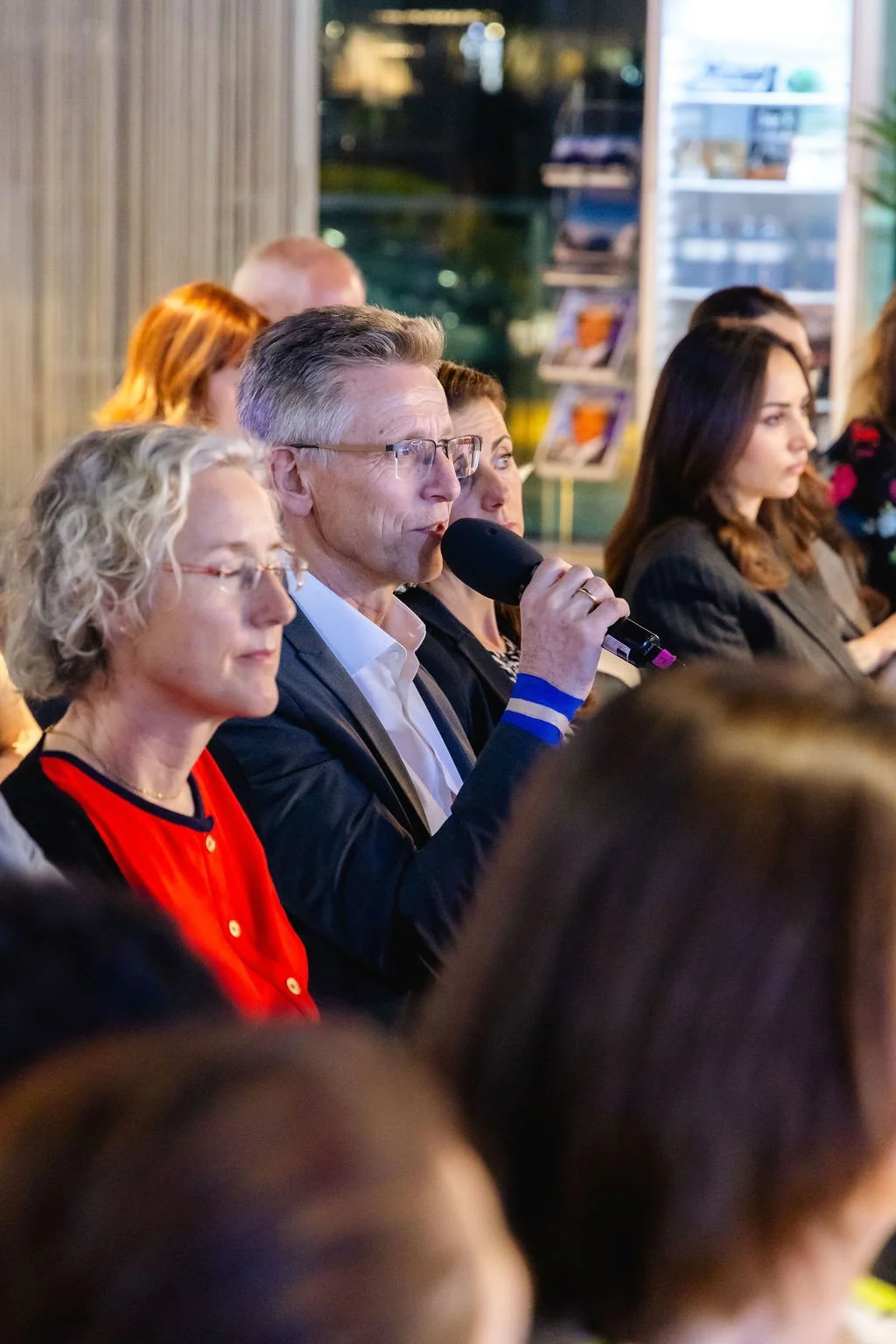
From the official remarks and informal conversations with numerous visitors—including experts on climate, ecology, the circular economy, artificial intelligence, and robotics—we, the ReGenerativa team, have taken away key insights and further questions:
Holistic, systemic thinking and the consistent overcoming of existing systemic boundaries are crucial for a regenerative future. This requires a science-based assessment of the pros and cons of the various modes of transportation. At the same time, when it comes to motorized private transportation, it is important to analyze what a single—albeit very large—player like BMW can achieve on its own and in which areas it depends on other sectors of the economy (e.g., green steel for automobile production). Against this background, the question arises: What macroeconomic and political impetus is needed at various levels to drive the regenerative transformation—including a significant increase in the circularity rate—across all industries?
Accelerating the regenerative transformation will also require sharing knowledge about forward-looking technological approaches. How, and through which approaches of a regenerative market economy, could companies share their unique selling points with competitors, and what collaborative research projects between competing companies are conceivable across various industries? And on the topic of affordable quality: How can Europe succeed in bringing smaller electric vehicles with outstanding technology to market at prices competitive with those of Asian competitors?
After robotics, artificial intelligence has also long since made its way into the automotive industry; this is particularly true for BMW, given its high standards of innovation. It will be exciting to see what new dimensions of the integration of AI and AI robots—in terms of team intelligence and team creativity—will open up in the coming years. The discussion also touched on how the BMW New Class will evolve toward autonomous driving.
BMW has had a strong affinity for the arts for decades. With an eye toward a regenerative future, the question arises as to what insights from various artistic disciplines could support BMW in its efforts toward sustainability and regeneration—not only from a technological perspective, but also in raising public awareness of a non-fossil, regenerative future in which we humans see ourselves as part of nature.
These and other key insights from the SALON REGENERATION, organized by BMW Vienna together with ReGenerativa on March 12, 2026, will be incorporated into the Action Plan Regeneration 2040 to be developed by ReGenerativa.

© Marnie Wilkinson
© Marnie Wilkinson
© Marnie Wilkinson
© Marnie Wilkinson
© Marnie Wilkinson
© Marnie Wilkinson
© Marnie Wilkinson
© Marnie Wilkinson
© Marnie Wilkinson
© Marnie Wilkinson
© Marnie Wilkinson
© Marnie Wilkinson
© Marnie Wilkinson